Raising Awareness for Congenital Heart Defects Today
- chloewestmf
- Apr 30
- 3 min read

Congenital heart defects (CHDs) are the most common type of birth defect, affecting nearly 1 in 100 newborns. These conditions can range from simple issues that require little to no treatment to complex problems that need multiple surgeries or lifelong care. Despite their prevalence, many people remain unaware of the challenges faced by those living with CHDs. This blog post aims to raise awareness about congenital heart defects, their impact, and the importance of early detection and intervention.
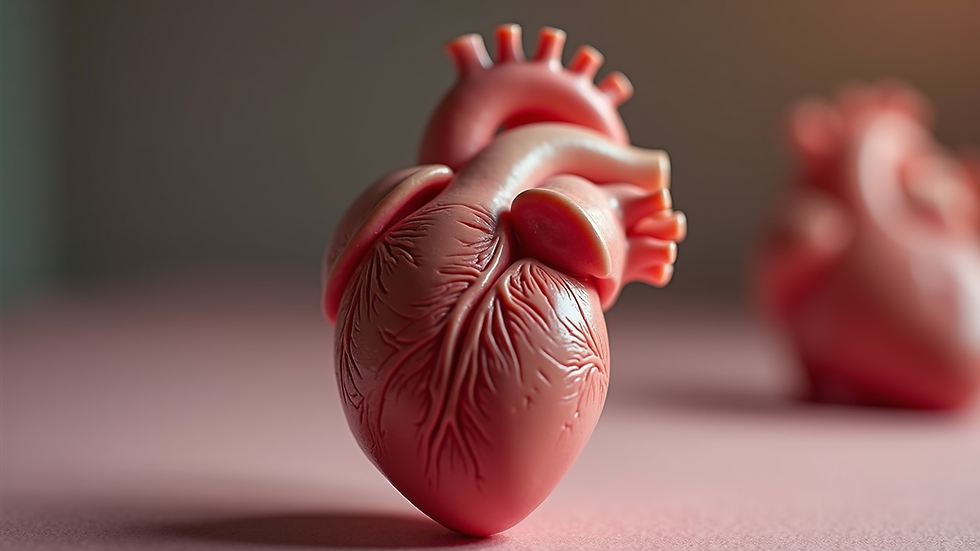
Understanding Congenital Heart Defects
What Are Congenital Heart Defects?
Congenital heart defects are structural problems with the heart that are present at birth. They can affect the heart's walls, valves, or blood vessels, altering the normal flow of blood through the heart. Some common types of CHDs include:
Atrial Septal Defect (ASD): A hole in the wall between the heart's upper chambers.
Ventricular Septal Defect (VSD): A hole in the wall between the heart's lower chambers.
Tetralogy of Fallot: A combination of four heart defects that affect blood flow to the lungs.
Coarctation of the Aorta: A narrowing of the aorta that can lead to high blood pressure and heart damage.
Causes of Congenital Heart Defects
The exact cause of congenital heart defects is often unknown. However, several factors may contribute to their development, including:
Genetic Factors: Certain genetic syndromes, such as Down syndrome, can increase the risk of CHDs.
Environmental Factors: Exposure to certain medications, drugs, or infections during pregnancy may play a role.
Maternal Health: Conditions like diabetes or obesity in the mother can increase the likelihood of CHDs.
The Impact of Congenital Heart Defects
Physical and Emotional Challenges
Living with a congenital heart defect can present numerous challenges. Physically, individuals may experience:
Fatigue: Due to the heart's inability to pump blood efficiently.
Breathing Difficulties: Especially during physical activity.
Frequent Infections: Some heart defects can lead to increased susceptibility to infections.
Emotionally, both patients and their families may face challenges such as anxiety, depression, and social isolation. The emotional toll can be significant, especially for children who may not understand their condition.
Financial Burden
The financial implications of congenital heart defects can be overwhelming. Families may face high medical costs, including:
Surgical Procedures: Many children with CHDs require surgeries that can be expensive.
Ongoing Care: Regular check-ups, medications, and potential additional surgeries can add up over time.
Therapies: Physical and occupational therapies may be necessary to support development.
Raising Awareness
The Importance of Awareness
Raising awareness about congenital heart defects is crucial for several reasons:
Early Detection: Increased awareness can lead to earlier diagnosis and treatment, improving outcomes.
Support for Families: Awareness can foster community support and resources for families affected by CHDs.
Funding for Research: Greater awareness can lead to increased funding for research into better treatments and potential cures.
How to Raise Awareness
There are many ways individuals and organizations can help raise awareness about congenital heart defects:
Educational Campaigns: Schools and community organizations can host events to educate the public about CHDs.
Social Media: Sharing personal stories and information about CHDs can reach a wider audience.
Fundraising Events: Organizing walks, runs, or other events can raise both awareness and funds for research.
Personal Stories
Real-Life Experiences
Hearing from individuals who have lived with congenital heart defects can be powerful. For example, Sarah, a young woman with a ventricular septal defect, shares her journey:
"Growing up, I had to go through multiple surgeries. It was tough, but I learned to advocate for myself. I want others to know they are not alone."
These personal stories highlight the resilience of those affected by CHDs and the importance of community support.
Conclusion
Raising awareness for congenital heart defects is essential for improving the lives of those affected. By understanding the challenges and advocating for early detection and support, we can make a difference. Whether through education, sharing personal stories, or participating in fundraising events, everyone can play a role in this important cause. Let’s work together to ensure that congenital heart defects receive the attention they deserve.


Comments